

CLIENT: Mega Image
Advancing circular economy practices
Since 2019, we’ve partnered with Mega Image, a supermarket chain part of Ahold Delhaize, on a range of initiatives to strengthen packaging sustainability and advance circular economy practices. Our collaboration has covered plastic reduction, packaging recyclability, employee and supplier training, regulatory preparedness, and sustainability communications. Key services delivered:
- Developed a supplier plastic footprint survey to measure the amount of plastic put on the market.
- Developed internal guidelines for labelling own-brand packaging with waste sorting instructions.
- Created sustainable packaging guidelines for suppliers.
- Delivered packaging webinars for key departments and suppliers on packaging sustainability and PPWR alignment.
- Delivered greenwashing prevention and green claims training.
- Produced monthly sustainability articles for the Mega Image magazine, supporting consumer awareness and engagement.
- Contributed to the development of multiple internal employee engagement initiatives, such as the Sustainability Champion programme.
PROJECT: Fish for Life
Pioneering ecological restoration approaches for the Gilort River
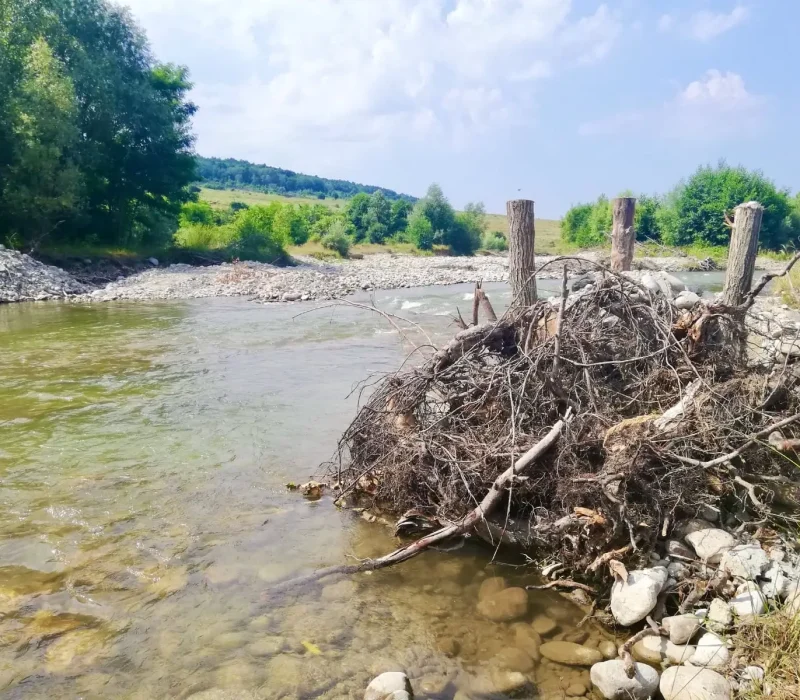
As a key partner in the LIFE project FISH for LIFE, Invisible Nature contributed expertise in river restoration to improve the Gilort River habitats, ensuring they can sustain a healthy fish population. Our main deliverables included:
- River characterisation– Using international standards established by SER/ CERP, and based on extensive field investigations of hydrology, geomorphology, and habitats along the Gilort River, we defined the river’s specific character and fluvial processes. These were combined with hydrologic and hydraulic modelling to assess river functionality and identify the most suitable sites for restoration.
- Technical consultancy for ecological design and implementation – We provided specialised advice for the development of design studies for targeted restoration sites and supported the implementation of restoration works. Restoration measures included the installation of engineered log jams and boulder clusters to improve aquatic habitats.
- Capacity building and knowledge sharing – We delivered training on ecological reconstruction to key stakeholders and organised ecological restoration camps for young professionals to build expertise in the field.
- Monitoring and evaluation – We are conducting ongoing monitoring activities to assess the ecological impact of restoration interventions.
CLIENT: WWF
Advancing wetland restoration in Romania
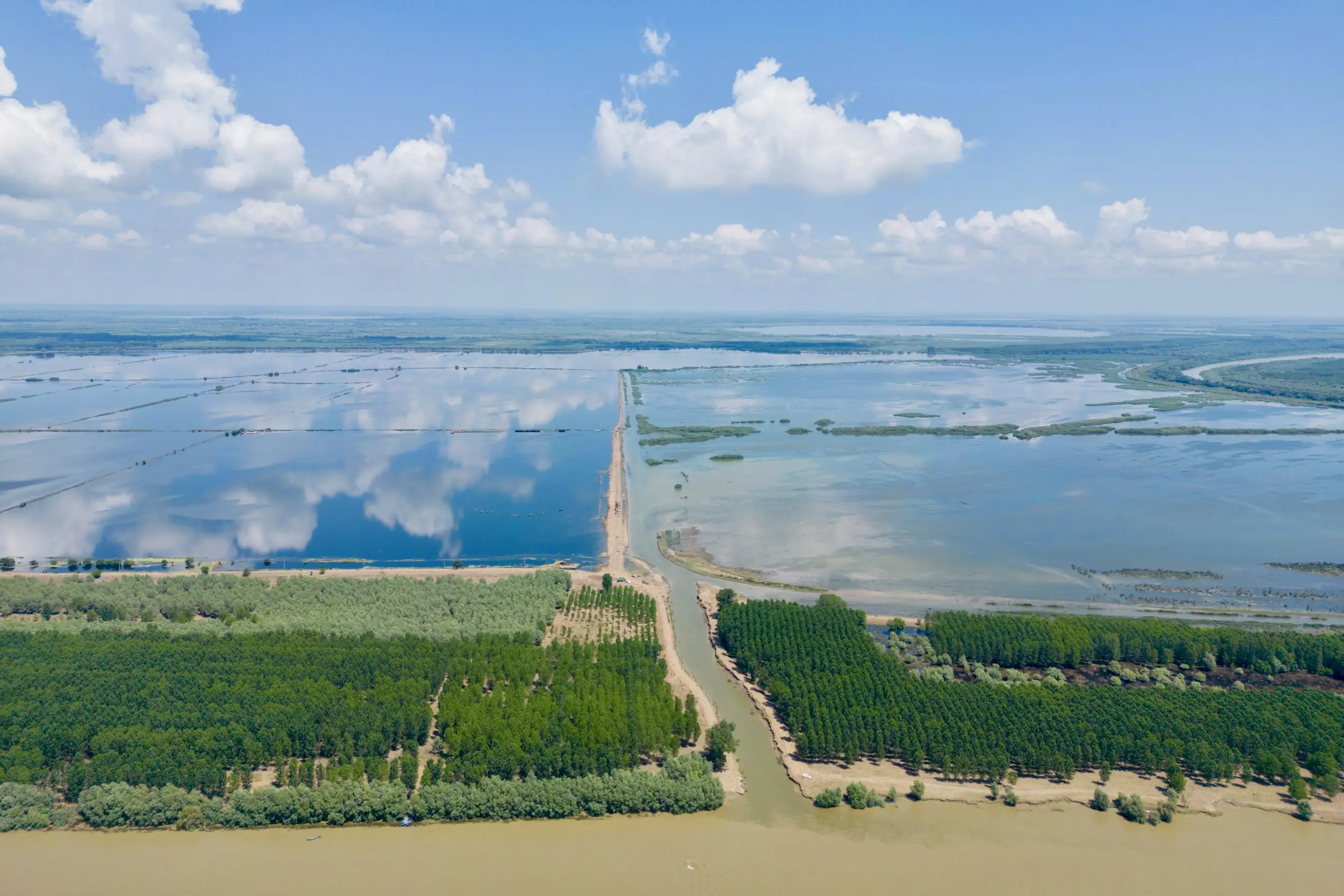
Over the past decade, we have collaborated with WWF (World Wide Fund for Nature) Romania on multiple wetland restoration projects. Our team provided technical assistance and consultancy for reconnecting the Garla Mare marshland to the Danube’s natural flooding regime. We also contributed technical advice for the restoration of 924 hectares in the Danube Delta (Carasuhat area) through the Reco Mahmudia project, and developed the management plan for the newly restored wetland.
In addition, Invisible Nature created a wetland restoration prioritisation tool, applying a multi-criteria decision analysis to identify the most suitable floodplain restoration sites along the Danube for future WWF projects.
Photo copyright: Marius Vasile
Ecological restoration in the Mureș Floodplain Natural Park
The Mureș Floodplain Natural Park is located in western Romania, just outside the city of Arad. Covering 17,455 ha, the park represents a typical wetland ecosystem with rivers and lakes, alluvial forests, willow and poplar galleries, and water meadows. It is designated as a Ramsar site and, under the EU’s Natura 2000 network, has been classified both as a Special Protection Area (SPA) for birds and a Special Area of Conservation (SAC) for other species and habitats.
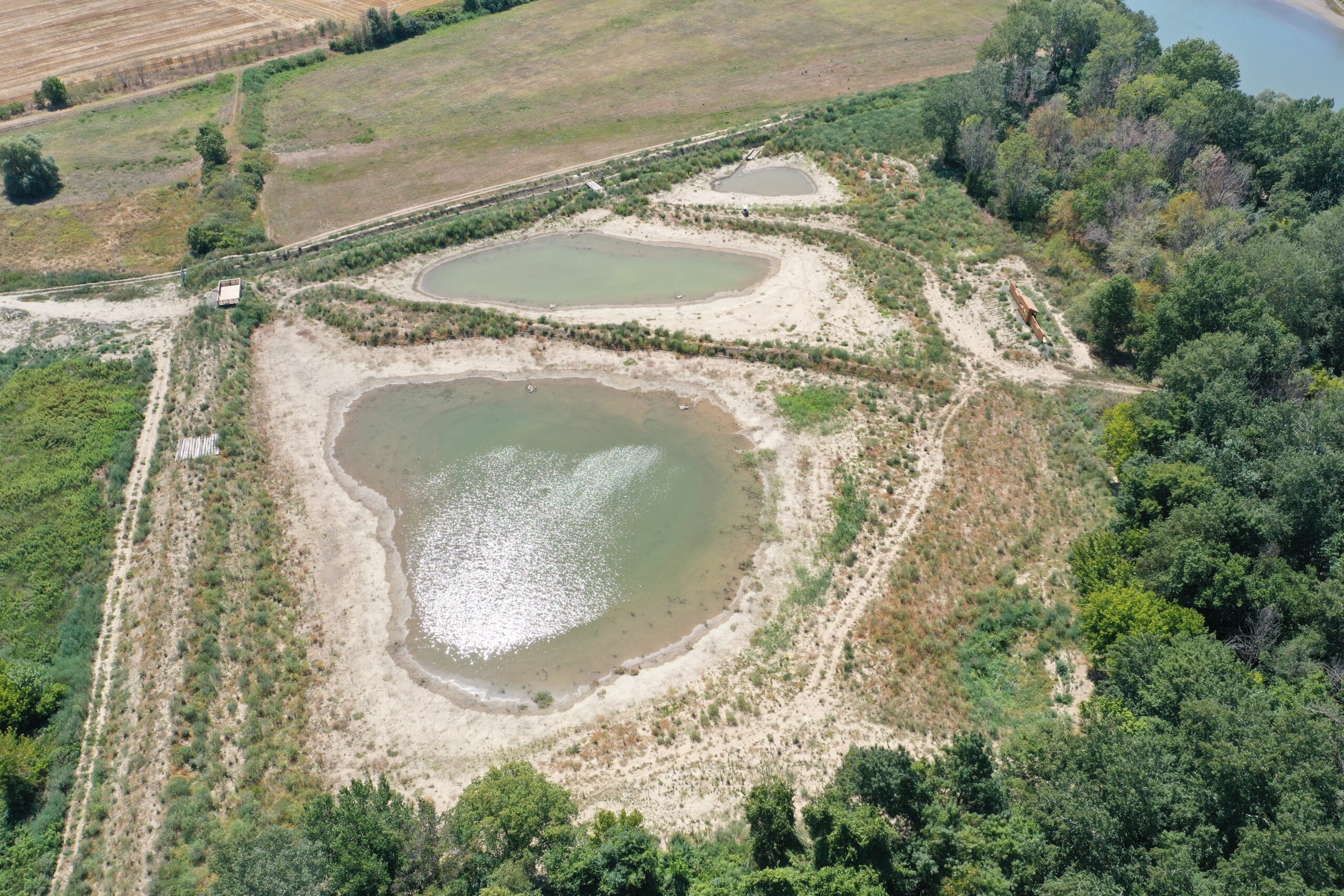
As part of the project “Implementation of active conservation measures from the approved management plan on the territory of the Mureș Floodplain Natural Park and related protected areas”, implemented by the administration of the park, we developed the feasibility study for the ecological restoration of the Zădăreni wetland and provided expertise for the design and execution of restoration works in the area.
Photo copyright: Bohus Călin
Sustainability is more than reporting - embedding sustainability into core business and organisational culture
Since its inception, Invisible Nature has been dedicated to educating the Romanian corporate sector on integrating sustainability into core business and fostering organisational cultures that support the growth of sustainable enterprises. Some of the key initiatives we have implemented to promote sustainability as part of business DNA include:
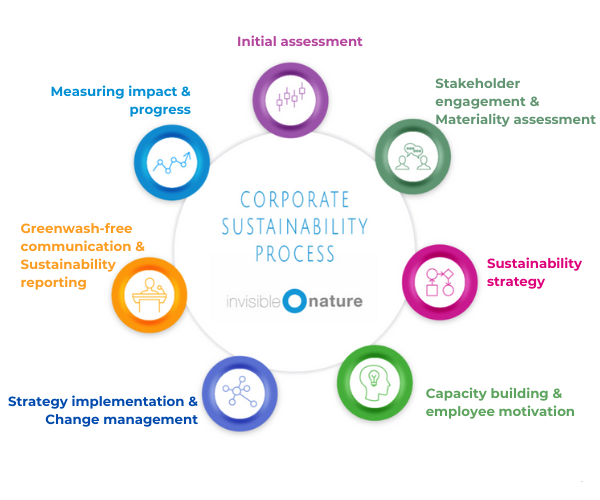
- Corporate Sustainability Process: We developed this tool to help businesses embed sustainability principles into their practices and organisational culture.
- Research on HR and sustainability (2015-2016): Conducted the first study in Romania that analysed the role of HR in building sustainable companies. See the 2016 report.
- “People, Planet, Profit” employee survey: Drawing on our expertise, extensive literature review, and best practices in sustainable development, we designed a comprehensive survey. It helps companies understand how employees perceive the organisation’s sustainability performance, what improvements they suggest, their attitudes toward sustainability at work and in their personal lives, and what motivates them to engage. We implemented this survey in several companies (e.g., Romstal).
CLIENT: WWF Hungary
Engaging stakeholders to shape the future of the waters of the Tisza River Basin
JOINTISZA was a transboundary initiative designed to strengthen transnational water management and flood risk prevention. In 2017-2018, we collaborated with Romanian partners of the project-the National Administration “Romanian Waters”, the Ministry of Water and Forests, and the National Institute of Hydrology and Water Management-to establish and implement a structured stakeholder engagement process.
This work included conducting a thorough stakeholder analysis and prioritisation of key actors, supporting Romanian institutions in selecting and applying the most effective engagement methods, and developing a survey to gather stakeholder input for the updated Integrated Tisza River Basin Management Plan.
CLIENT: FISH FOR LIFE, ACDB, Natura 2000 Coalition
Increasing the impact of nature conservation efforts through strategic communication
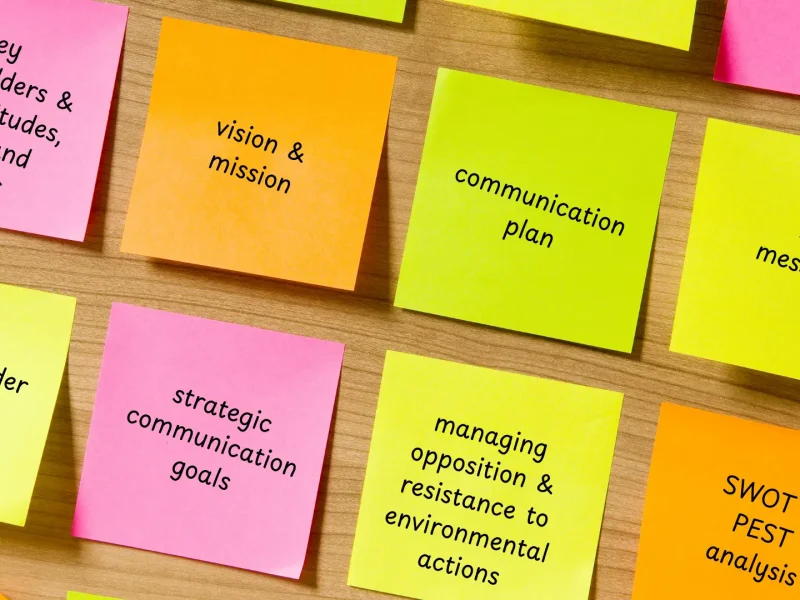
As partners in the LIFE+ Nature project Fish for Life, we developed the project’s communication strategy in 2018. This key document outlined feasible approaches and solutions for engaging stakeholders and encouraging pro-environmental behaviours. The strategy was informed by two main research methods: a PEST analysis and a series of focus groups with representatives of local communities. These focus groups ensured that local concerns, interests, and experiences were fully reflected in the strategy.
In addition to Fish for Life, we have also developed communication strategies for the NGOs ACDB and the Natura 2000 Coalition.
CLIENT: WWF Romania
Developing a systemic and collaborative approach for the designation of wilderness areas in the Southern Carpathians
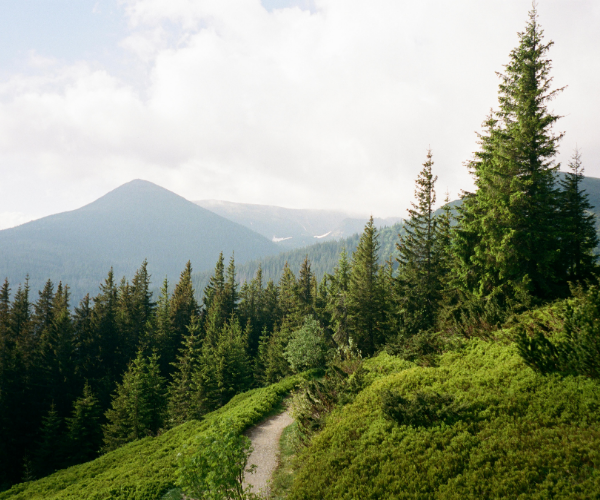
Opportunities to protect large, undisturbed natural areas and intact landscapes still exist in the Southern Carpathians, and WWF Romania is actively working to establish Europe’s premier wilderness area. In 2017, we helped develop strategic conservation objectives and concrete actions to support this ambitious initiative.
A review of the initial strategy showed that understanding the broader context and the challenges faced by stakeholders is essential for success. Building on this insight, we proposed a new approach to wilderness designation—one grounded in collective influence, systemic impact, and collaborative action.
We also facilitated the meetings where the action plan for wilderness areas was presented and discussed with local stakeholders.
CLIENT: ProPark, Milvus Group, ACCENT GeoEcological & other NGOs
Developing water and biodiversity management know-how through tailor-made training
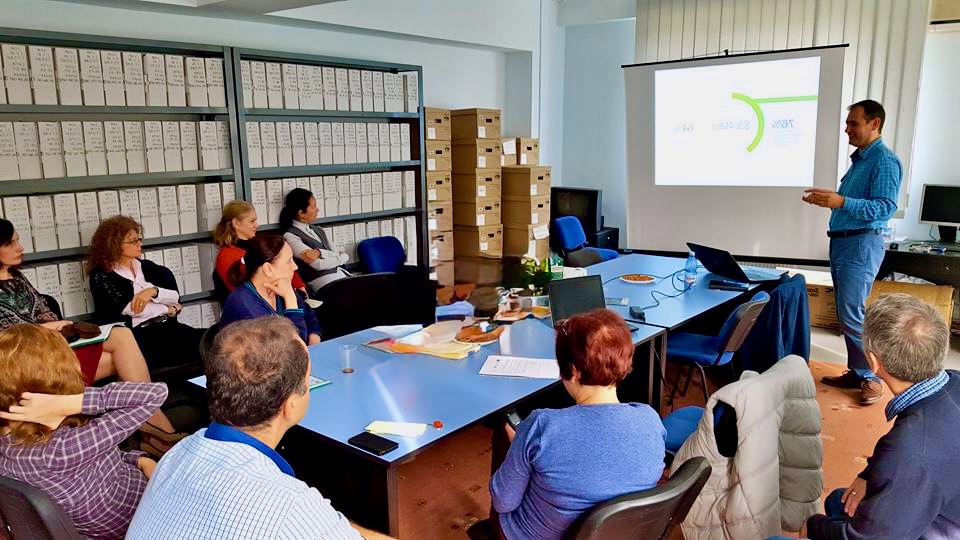
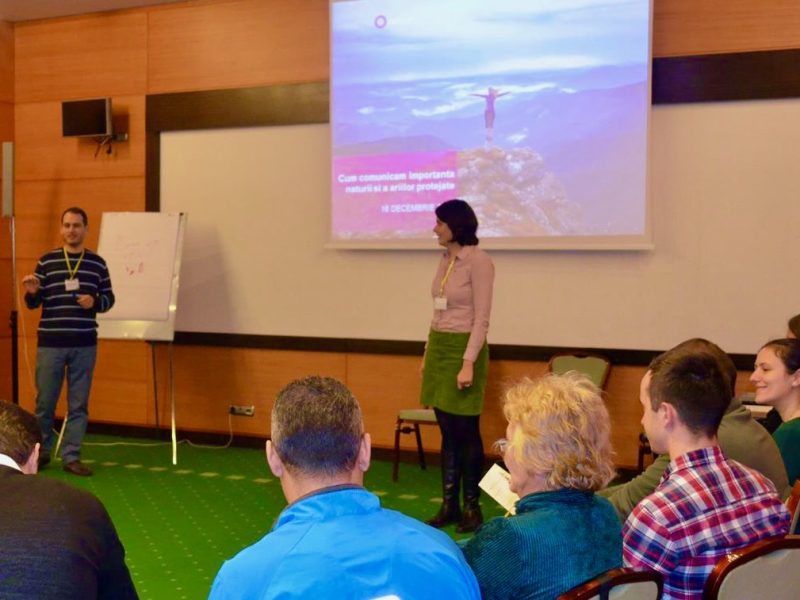
Invisible Nature developed and delivered several trainings on water and biodiversity management, as well as on the use of GIS for the efficient management of protected areas. These trainings were designed for environmental NGOs, authorities, and custodians of protected areas.
For example, we contributed to the development and delivery of the training “Strategic Planning for the Sustainable Use of Water Resources”, an activity carried out within the project “EME Natura 2000 (Efficient Managers for an Efficient Natura 2000 Network)”.
CLIENT: Natura2000 Coalition
Stakeholder engagement for strengthening nature conservation efforts in Romania
In 2016, we supported Natura2000 Coalition in engaging with both internal and external stakeholders to understand their perceptions of the Coalition’s activities, impact, and communication. The process also aimed to gather ideas on how the organisation could strengthen its strategic approach and increase its impact in nature conservation.
The stakeholder engagement process we implemented included the following steps: identifying relevant topics and issues; designing and conducting surveys for internal and external stakeholders; analysing and interpreting the results; and delivering a final report with recommendations to the organisation.
CLIENT: Mega Image
Advancing circular economy practices
Since 2019, we’ve partnered with Mega Image on a range of initiatives to strengthen packaging sustainability and advance circular economy practices. Our collaboration has covered plastic reduction, packaging recyclability, employee and supplier training, regulatory preparedness, and sustainability communications. Key services delivered:
- Developed a supplier plastic footprint survey to measure the amount of plastic put on the market.
- Developed internal guidelines for labelling own-brand packaging with waste sorting instructions.
- Created sustainable packaging guidelines for suppliers.
- Delivered packaging webinars for key departments and suppliers on packaging sustainability and PPWR alignment.
- Delivered greenwashing prevention and green claims training.
- Produced monthly sustainability articles for the Mega Image magazine, supporting consumer awareness and engagement.
- Contributed to the development of multiple internal employee engagement initiatives, such as the Sustainability Champion programme.
Sustainability is more than reporting - embedding sustainability into core business and organisational culture
Since its inception, Invisible Nature has been dedicated to educating the Romanian corporate sector on integrating sustainability into core business and fostering organisational cultures that support the growth of sustainable enterprises. Some of the key initiatives we have implemented to promote sustainability as part of business DNA include:
- Corporate Sustainability Process: We developed this tool to help businesses embed sustainability principles into their practices and organisational culture.
- Research on HR and sustainability (2015-2016): Conducted the first study in Romania that analysed the role of HR in building sustainable companies. See the 2016 report.
- “People, Planet, Profit” employee survey: Drawing on our expertise, extensive literature review, and best practices in sustainable development, we designed a comprehensive survey. It helps companies understand how employees perceive the organisation’s sustainability performance, what improvements they suggest, their attitudes toward sustainability at work and in their personal lives, and what motivates them to engage. We implemented this survey in several companies (e.g., Romstal).
CLIENT: Fish for Life
Pioneering ecological restoration approaches for the Gilort River
As a key partner in the LIFE project FISH for LIFE, Invisible Nature contributed expertise in river restoration to improve the Gilort River habitats, ensuring they can sustain a healthy fish population. Our main deliverables included:
- River characterisation– Using international standards established by SER/ CERP, and based on extensive field investigations of hydrology, geomorphology, and habitats along the Gilort River, we defined the river’s specific character and fluvial processes. These were combined with hydrologic and hydraulic modelling to assess river functionality and identify the most suitable sites for restoration.
- Technical consultancy for ecological design and implementation – We provided specialised advice for the development of design studies for targeted restoration sites and supported the implementation of restoration works. Restoration measures included the installation of engineered log jams and boulder clusters to improve aquatic habitats.
- Capacity building and knowledge sharing – We delivered training on ecological reconstruction to key stakeholders and organised ecological restoration camps for young professionals to build expertise in the field.
- Monitoring and evaluation – We are conducting ongoing monitoring activities to assess the ecological impact of restoration interventions.
CLIENT: WWF
Advancing wetland restoration in Romania
Over the past decade, we have collaborated with WWF (World Wide Fund for Nature) Romania on multiple wetland restoration projects. Our team provided technical assistance and consultancy for reconnecting the Garla Mare marshland to the Danube’s natural flooding regime. We also contributed technical advice for the restoration of 924 hectares in the Danube Delta (Carasuhat area) through the Reco Mahmudia project, and developed the management plan for the newly restored wetland.
In addition, Invisible Nature created a wetland restoration prioritisation tool, applying a multi-criteria decision analysis to identify the most suitable floodplain restoration sites along the Danube for future WWF projects.
Photo copyright: Marius Vasile
CLIENT: WWF Hungary
Engaging stakeholders to shape the future of the waters of the Tisza River Basin
JOINTISZA was a transboundary initiative designed to strengthen transnational water management and flood risk prevention. In 2017-2018, we collaborated with Romanian partners of the project-the National Administration “Romanian Waters”, the Ministry of Water and Forests, and the National Institute of Hydrology and Water Management-to establish and implement a structured stakeholder engagement process.
This work included conducting a thorough stakeholder analysis and prioritisation of key actors, supporting Romanian institutions in selecting and applying the most effective engagement methods, and developing a survey to gather stakeholder input for the updated Integrated Tisza River Basin Management Plan.
CLIENT: FISH FOR LIFE, ACDB, Natura 2000 Coalition
Increasing the impact of nature conservation efforts through strategic communication
As partners in the LIFE+ Nature project Fish for Life, we developed the project’s communication strategy in 2018. This key document outlined feasible approaches and solutions for engaging stakeholders and encouraging pro-environmental behaviours. The strategy was informed by two main research methods: a PEST analysis and a series of focus groups with representatives of local communities. These focus groups ensured that local concerns, interests, and experiences were fully reflected in the strategy.
In addition to Fish for Life, we have also developed communication strategies for the NGOs ACDB and the Natura 2000 Coalition.
CLIENT: WWF Romania
Developing a systemic and collaborative approach for the designation of wilderness areas in the Southern Carpathians
Opportunities to protect large, undisturbed natural areas and intact landscapes still exist in the Southern Carpathians, and WWF Romania is actively working to establish Europe’s premier wilderness area. In 2017, we helped develop strategic conservation objectives and concrete actions to support this ambitious initiative.
A review of the initial strategy showed that understanding the broader context and the challenges faced by stakeholders is essential for success. Building on this insight, we proposed a new approach to wilderness designation—one grounded in collective influence, systemic impact, and collaborative action.
We also facilitated the meetings where the action plan for wilderness areas was presented and discussed with local stakeholders.
Ecological restoration in the Mureș Floodplain Natural Park
The Mureș Floodplain Natural Park is located in western Romania, just outside the city of Arad. Covering 17,455 ha, the park represents a typical wetland ecosystem with rivers and lakes, alluvial forests, willow and poplar galleries, and water meadows. It is designated as a Ramsar site and, under the EU’s Natura 2000 network, has been classified both as a Special Protection Area (SPA) for birds and a Special Area of Conservation (SAC) for other species and habitats.
As part of the project “Implementation of active conservation measures from the approved management plan on the territory of the Mureș Floodplain Natural Park and related protected areas”, implemented by the administration of the park, we developed the feasibility study for the ecological restoration of the Zădăreni wetland and provided expertise for the design and execution of restoration works in the area.
Photo copyright: Bohus Călin
CLIENT: ProPark, Milvus Group, ACCENT GeoEcological & other NGOs
Developing water and biodiversity management know-how through tailor-made training
Invisible Nature developed and delivered several trainings on water and biodiversity management, as well as on the use of GIS for the efficient management of protected areas. These trainings were designed for environmental NGOs, authorities, and custodians of protected areas.
For example, we contributed to the development and delivery of the training “Strategic Planning for the Sustainable Use of Water Resources”, an activity carried out within the project “EME Natura 2000 (Efficient Managers for an Efficient Natura 2000 Network)”.
CLIENT: Natura2000 Coalition
Stakeholder engagement for strengthening nature conservation efforts in Romania
In 2016, we supported the Natura2000 Coalition in engaging with both internal and external stakeholders to understand their perceptions of the Coalition’s activities, impact, and communication. The process also aimed to gather ideas on how the organisation could strengthen its strategic approach and increase its impact in nature conservation.
The stakeholder engagement process we implemented included the following steps: identifying relevant topics and issues; designing and conducting surveys for internal and external stakeholders; analysing and interpreting the results; and delivering a final report with recommendations to the organisation.